
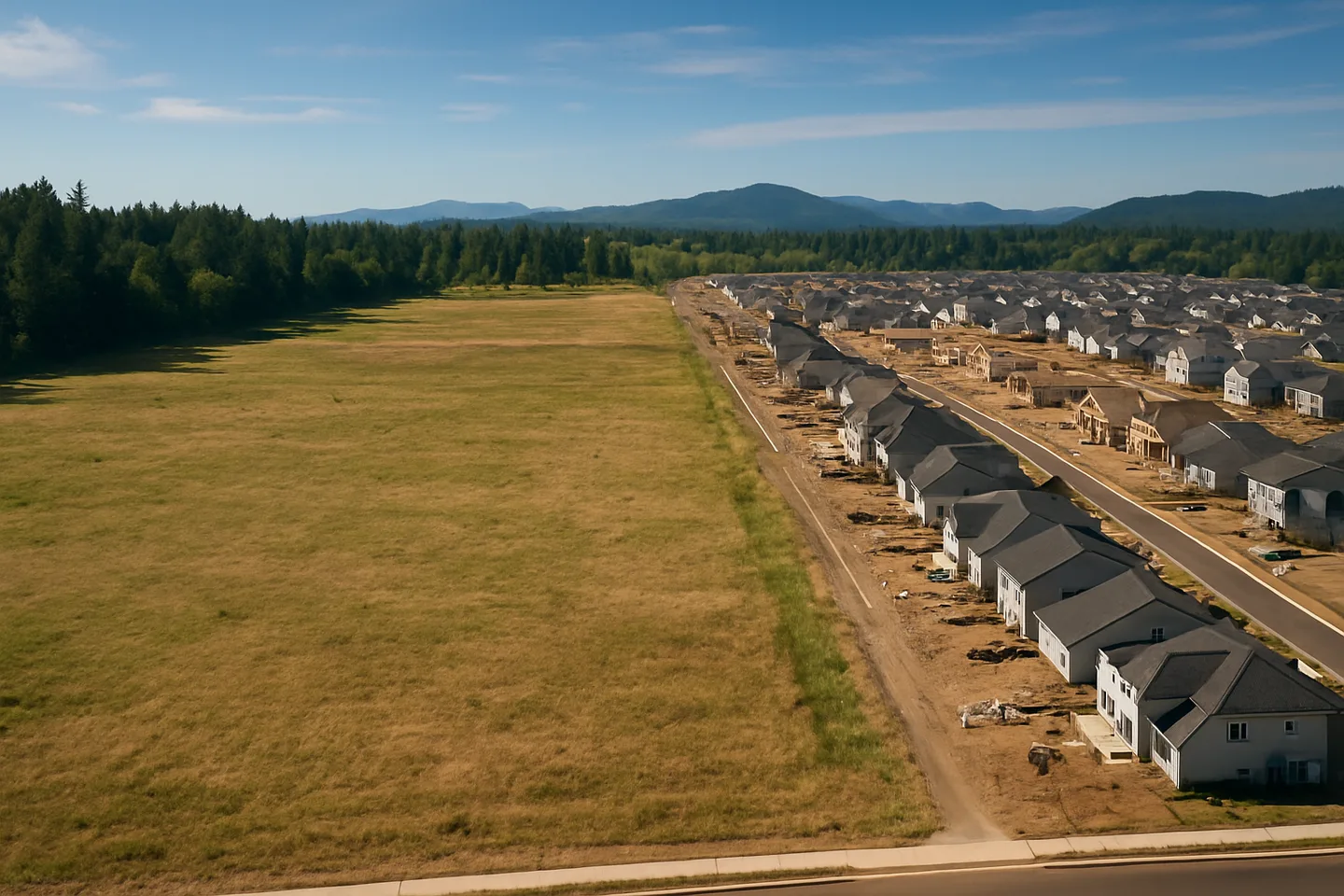
Selling Land to a Developer in South Carolina: What to Know
Understanding How to Sell Land to a Developer in South Carolina
Selling your land to a developer can be one of the most profitable ways to exit a land investment, but it requires a different approach than a typical real estate transaction. Developers are not ordinary buyers. They evaluate a parcel of land based on its development potential, not just its current condition. That means zoning, utility access, road frontage, and environmental factors matter more than aesthetics or landscaping. If you want to sell your land to developers, understanding what they look for and how the selling process works will help you negotiate a better deal.
The process of land selling to a developer typically involves several phases: identifying developers interested in your area, understanding your property's development potential, negotiating price and terms, and navigating the due diligence and closing process. As a land owner in South Carolina, you have the advantage of operating in one of the fastest-growing states in the Southeast, where residential and commercial land acquisition is active across multiple metro areas. Whether you are a first-time seller or have been through land transactions before, this guide will help you sell land to the right buyer at the right price.
The Real Estate Developer Market in South Carolina
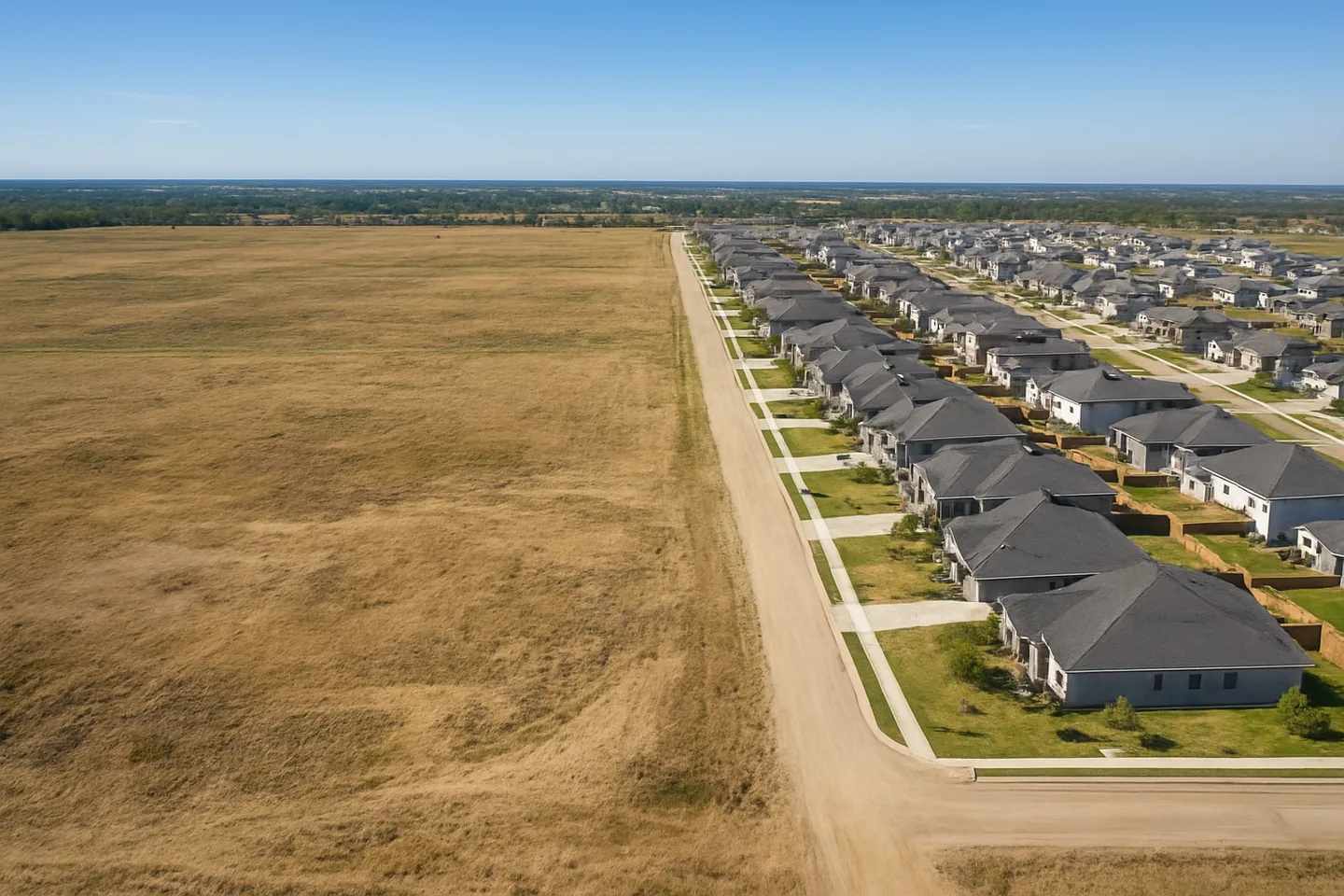
South Carolina's population growth has created strong demand for development land, particularly in the Greenville-Spartanburg, Charleston, and Columbia metro areas. According to the U.S. Census Bureau, Greenville County alone added over 50,000 residents between 2020 and 2025, driving demand for residential development land along the I-85 and I-385 corridors. This growth makes the real estate market in South Carolina attractive for developers looking for land to build subdivisions, commercial centers, and mixed-use projects.
For landowners looking to sell, understanding where developers are actively purchasing is critical. Land sales to developers tend to cluster along highway corridors, near growing suburbs, and in areas where municipal water and sewer services are expanding. If your property sits in or near one of these growth zones, it may be worth significantly more to a developer than its current market value as raw land. Land zoned for higher-density residential or commercial use typically commands 2 to 10 times the price of agricultural or rural-zoned property in the same area, according to the Urban Land Institute.
Not every landowner may want to sell immediately. Some consider pursuing land entitlement themselves, which involves obtaining zoning approvals and development permits before selling. While this can increase the sale of your property price substantially, it also involves significant risk, cost, and time. The land entitlement process of selling land through entitlement in South Carolina can take 6 to 18 months, according to the South Carolina Department of Commerce. One of the pitfalls of selling land through entitlement is that zoning approval is never guaranteed, and you may invest time and money without achieving the result you expected.
The benefits of selling land directly to a developer include speed, simplicity, and the ability to negotiate from a position of knowledge. Know your land's strengths. Developers are usually willing to pay a higher price for parcels that reduce their risk. If you have a clear title, favorable zoning, and utility access, your property is immediately more attractive. A real estate agent with land development experience can help you identify potential developers and connect with land developers actively purchasing in your area. Developers may also approach you directly if they have identified your parcel as part of a larger tract of land they want to assemble.
Step-by-Step: How to Sell Land to a Developer in South Carolina
Step 1: Understand your property's development potential. Before you sell land for development, determine what a developer could realistically build on your property. Check your zoning with the county planning office. Is the land zoned residential, commercial, or agricultural? What is the allowable density? Are there wetlands, flood zones, or environmental restrictions? Understanding these factors helps you sell land at a price that reflects its true potential. Developers interested in your area will ask these questions immediately, so having answers ready strengthens your negotiation position.
Step 2: Get a professional appraisal or broker opinion. The value of your land to a developer depends on the type of development possible, not just comparable vacant land sales. Standard appraisals may undervalue your parcel. Consider a broker who specializes in development land for a more accurate opinion. Market your land based on its highest and best use, not its current state.
Step 3: Identify and contact developers. Research which developers are active in your area. Drive through nearby subdivisions and note the builder names on signs. Check county building permit records for companies pulling permits. Looking for land developers actively buying gives you a list of potential buyers to contact directly. You can also list your property on commercial real estate platforms where developers search for parcels.
Step 4: Negotiate the purchase agreement. Developer purchase agreements are more complex than standard real estate contracts. They typically include due diligence periods of 30 to 120 days, during which the developer investigates zoning, environmental conditions, utility availability, and soil conditions. The developer can usually cancel the contract during this period if issues arise. Developers are skilled negotiators, so understand that their initial offer is rarely their best. Landowners and developers often go through several rounds of negotiation before reaching a final agreement. Developers want to avoid overpaying, but they also need to secure good sites in competitive markets.
Step 5: Navigate due diligence and close. Once under contract, the developer will conduct surveys, soil tests, environmental assessments, and zoning verification. Be cooperative during this phase. As a property owner, providing access and documentation speeds the process. Developers typically structure purchases with earnest money deposits of 1-5% of the purchase price, with the balance due at closing. South Carolina charges a deed recording fee of $1.85 per $500 of value (0.37%), paid when the deed is recorded. If the developer needs more time to secure permits, they may request closing extensions. Be able to sell on a flexible timeline if possible, as this can result in a higher purchase price.
Potential Challenges When Selling to a Developer in SC
Selling vacant land to a developer is different from selling a home or improved property. Several challenges commonly arise.
Extended timelines. Developers often need months to complete their due diligence and secure financing. A typical developer transaction takes 3 to 6 months from contract to closing, compared to 30 to 60 days for a standard land sale. If you are looking for a quick exit, selling to a developer directly may not be the fastest option. Developers often request closing extensions if their entitlement process takes longer than expected.
Contingency risk. Most developer contracts include contingencies that allow the buyer to walk away during the due diligence period. If the developer discovers environmental issues, unfavorable soil conditions, or zoning obstacles, they can cancel the deal and recover their earnest money. This means you may take your property off the market for months only to have the deal fall through. Do not sell to the first buyer who makes an offer without evaluating their track record and financial capacity.
Zoning and entitlement complications. South Carolina zoning is administered at the county and municipal level, with each jurisdiction maintaining its own ordinances. Rezoning applications require public hearings, and neighborhood opposition can delay or block approval. A reputable property developer will handle the rezoning process themselves, but the outcome affects whether the deal closes. If your land has potential for development but is not currently zoned appropriately, understand that the developer's offer will reflect the uncertainty of obtaining approval.
Tax implications. South Carolina taxes capital gains as ordinary income at state rates up to 6.4%. Combined with federal long-term capital gains rates of up to 20%, landowners selling appreciated property may face a combined tax rate of up to 26.4% on the gain, according to the South Carolina Department of Revenue. A 1031 exchange can defer these taxes if you reinvest in another property within 180 days. Consult a tax advisor before closing to understand your specific exposure. Real estate developers and estate agents typically have referrals to tax professionals experienced with large land transactions.
FAQ: Selling Land to a Developer in South Carolina
How much will a developer pay for land?
Developer pricing depends on what can be built on the property, not just its current value. Land with existing residential or commercial zoning, utility access, and road frontage commands the highest prices. Development land near growing areas like Greenville, Charleston, or Myrtle Beach can sell for significantly more than its assessed property value. Developers evaluate parcels based on the number of units or square footage they can build, the cost of site work, and the projected sale prices of the finished product. Learning how to sell land to a developer starts with understanding how they calculate value. Get multiple offers from different developers to ensure you receive a competitive price.
How do I avoid capital gains tax when selling land to a developer?
The most common strategy is a 1031 exchange, which defers capital gains tax by reinvesting the proceeds from the sale into another qualifying property within 180 days. You can also structure the transaction as an installment sale to spread the tax burden over multiple years. Some landowners donate a conservation easement on a portion of their property before selling, which can generate a tax deduction. Selling their land is a taxable event for most landowners, so consult a tax professional before closing. If you are selling your vacant land or development land worth more than $100,000, the tax implications are significant enough to warrant professional advice.
Can I sell land to a developer without an attorney?
While South Carolina does not legally require an attorney at closing, it is strongly recommended for developer transactions. These deals involve complex purchase agreements, contingencies, and closing conditions that differ from standard real estate sales. Most title companies in SC require attorney involvement to ensure proper deed preparation and recording. A real estate professional or attorney experienced in land to a real estate developer transactions can protect your interests during negotiation and closing. The cost of legal representation is minimal compared to the potential risks of handling a developer transaction without professional guidance. Listing your property online and negotiating independently is possible, but having legal counsel review the contract is essential.
Ready to Sell Your Land? Next Steps
Selling undeveloped land to a developer in South Carolina can be highly profitable if you understand the process and prepare accordingly. The key is knowing your property's development potential, pricing it based on its highest and best use, and negotiating with developers who have the financial capacity and track record to close. If your land sits in a growth corridor, the land value may be higher than you think.
If you would rather avoid the complexity of developer negotiations and extended timelines, Sell South Carolina Land buys property directly from landowners across all 46 counties. We provide a fair, no-obligation cash offer within 24 hours and close in as little as 2 weeks. There are no contingencies, no due diligence periods, and no risk of a deal falling through. Whether you are waiting for the land value to peak or ready to sell now, reach out with your property details and we will respond the same day.
Need to sell your South Carolina land? We buy land directly from owners for cash, with no fees, no commissions, and we close in as little as 2 weeks.
Loading form...
Sell Your South Carolina Land for Cash
Ready to sell? We buy land directly from owners across South Carolina. Get a fast, no-obligation cash offer.